

Why did The Rolling Stones bury the gritty, high-energy blues jam ‘Stewed and Keefed’? Uncover the mystery behind this unreleased treasure that captures the band in their rawest form.
Why did The Rolling Stones bury the gritty, high-energy blues jam ‘Stewed and Keefed’? Uncover the mystery behind this unreleased treasure that captures the band in their rawest form.

Phil Spector, Gene Pitney, The Hollies, cognac and a very rude Rolling Stones recording session—’Mr. Spector and Mr. Pitney Came Too’ was never meant to behave.

The Rolling Stones’ take on ‘Walking the Dog’ wasn’t just a Rufus Thomas cover. Brian Jones had a reason for choosing it—and the lyrics hide a decidedly cheeky wink.

In 1964, The Rolling Stones were asked what they thought of their debut album—just as it knocked The Beatles from the top of the charts.

A Chuck Berry cover, a young Mick Jagger, and a crucial American TV appearance—’Around and Around’ had a bigger role in Stones history than it first seemed.

Before the Stones became the Stones, they were tearing into Chuck Berry. ‘Bye Bye Johnny’ captures a young band finding its swagger—and making plenty of glorious studio noise.

The Rolling Stones turned Chuck Berry’s ‘Carol’ into a raw 1964 rocker, with Keith Richards, Brian Jones and Charlie Watts pushing the song to the edge.

Recorded at Chess Studios, ‘What a Shame’ found The Rolling Stones deep in Chicago blues territory—and gave Jagger-Richards an important first.

Los Rolling Stones tomaron la canción ‘Not Fade Away’ de Buddy Holly, le añadieron el ritmo de Bo Diddley y convirtieron una versión en algo que sonaba inconfundiblemente peligroso.

The Rolling Stones’ first Dutch concert lasted barely ten minutes before chairs flew and the Kurhaus descended into chaos. What exactly happened in Scheveningen that night?

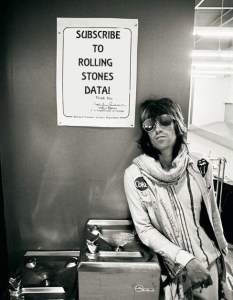 Subscribe to Stones Data here and get all posts delivered to you for free. Everybody got to go!
 Stones Data on Substack