

On February 4, 1964, the Rolling Stones recorded the unreleased track ‘Andrew’s Blues’ at Regent Sound Studios, featuring chaotic jams and playful jabs at their manager and Decca Records, showcasing their irreverent spirit.
On February 4, 1964, the Rolling Stones recorded the unreleased track ‘Andrew’s Blues’ at Regent Sound Studios, featuring chaotic jams and playful jabs at their manager and Decca Records, showcasing their irreverent spirit.

‘Don’t Lie to Me’, originally by Tampa Red, evolved through various artists, including Fats Domino and Chuck Berry, ultimately reinterpreted by The Rolling Stones, blending blues roots with rock energy.

Keith Richards’ fashion reflects his rock ‘n’ roll ethos, blending rebellion with sophistication through leather jackets and unique accessories, embodying freedom and inspiring individuality across generations.

‘Now I’ve Got a Witness’ es una composición colectiva de los Rolling Stones, destacando colaboraciones de invitados como Phil Spector y Gene Pitney, reflejando su enfoque creativo en la música temprana.

The Rolling Stones’ first album cover story is all about their audacious start in 1964, skipping a title or band name, thanks to their savvy teenage manager, Andrew Oldham, who believed in their unique image.

The Rolling Stones’ 1964 performance of Bo Diddley’s ‘Cops and Robbers’ at Camden Theatre showcased their raw energy and evolving identity, marking a pivotal moment in English rock’n’roll history.

‘Try a Little Harder’ captures the Rolling Stones’ early songwriting struggles, emphasizing direct emotion and persistence but lacking depth. Its eventual release reflects a journey of trial and error in their development.

In 1964, The Rolling Stones’ inaugural American tour transformed them from unknowns to global icons, showcasing their rebellious image and raw energy amidst the backdrop of Beatlemania, defining rock history.

The Rolling Stones’ version of ‘(Get Your Kicks On) Route 66’ transforms the classic into an urgent declaration of motion, embracing freedom and reinvention while celebrating its musical heritage across time and genres.

The Rolling Stones are creating a buzz in London, appealing greatly to teens and dividing adult opinions with their unique sound, impressive attendance records, and commercial success in rhythm and blues.

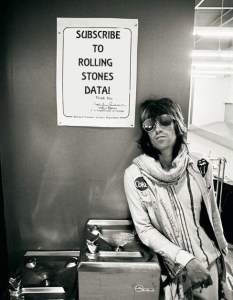 Subscribe to Stones Data here and get all posts delivered to you for free. Everybody got to go!
 Stones Data on Substack