

The Rolling Stones’ first Dutch concert lasted barely ten minutes before chairs flew and the Kurhaus descended into chaos. What exactly happened in Scheveningen that night?
The Rolling Stones’ first Dutch concert lasted barely ten minutes before chairs flew and the Kurhaus descended into chaos. What exactly happened in Scheveningen that night?

The Rolling Stones took a slow, dirty blues about a rooster and somehow turned it into a UK No. 1. Brian Jones’ slide guitar had plenty to do with it.

27,000 fans, arrests, teenagers sleeping rough and the Rolling Stones onstage: Richmond’s 1964 festival was already chaotic—and this was their last appearance there.

Sin letra, con un título inolvidable y un misterio que sigue generando debate, descubre por qué este temprano instrumental de los Rolling Stones se convirtió en una de las grabaciones más curiosas de su carrera.

Before fame rewrote the story, Gather Moss’ caught ‘The Rolling Stones in motion. Discover the little-known 1964 newsreel that preserves the band at the very beginning.

The Rolling Stones took Solomon Burke’s soul classic ‘Everybody Needs Somebody To Love’ and transformed it into a fiery early statement of their own sound.

A forgotten 1964 Stones gem reveals the band experimenting with blues, songwriting, and identity before they became the rock giants everyone knows.

Before stadiums and superstardom, The Rolling Stones took the stage in Warminster 1964. Discover the forgotten concert that captured the band’s raw early energy.

It sounds polite—until you catch the sarcasm. Discover why ‘Congratulations’ reveals a surprisingly sharp side of the young Rolling Stones.

Not every great Rolling Stones song became a hit. Discover why ‘Empty Heart’ remains one of the band’s most rewarding early blues recordings for curious fans.

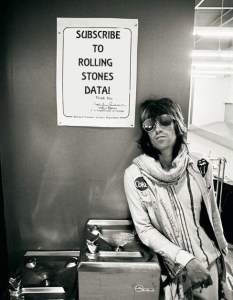 Subscribe to Stones Data here and get all posts delivered to you for free. Everybody got to go!
 Stones Data on Substack