

Keith Richards inadvertently embarked on a solo career when Mick Jagger’s project pushed him to collaborate with new musicians, leading to the creation of the successful band X-Pensive Winos.
Keith Richards inadvertently embarked on a solo career when Mick Jagger’s project pushed him to collaborate with new musicians, leading to the creation of the successful band X-Pensive Winos.

Keith Richards praises Jimi Hendrix as a unique musical genius whose extraordinary style cannot be replicated. Hendrix’s mastery brought chaos to brilliance, making him irreplaceable in the music world.

Brian Jones’ innovative contributions in the Rolling Stones’ 1966 album Aftermath reshaped their sound, introducing various instruments and experimentation that transformed the band into psychedelic rock innovators.

When Keith Richards and Mick Jagger reflected on John Lennon’s death, they revealed the man behind the legend—funny, gifted, free-spirited, and deeply missed by fellow rock icons.

In 1977, Mick Jagger rebuffed the Sex Pistols’ punk shock value by asserting the Rolling Stones’ dominance in scandal and rebellion, reminding that they were the original provocateurs of rock history.

Andrew Loog Oldham transformed The Rolling Stones into a cultural icon in the 1960s, shaping their rebellious image and influencing rock music. His impact continued through production and artist mentorship.

In 2011, Bill Wyman expressed cautious optimism about potentially reuniting with The Rolling Stones, emphasizing the importance of timing and mutual willingness from band members before making a decision.

Keith Richards pursued a unique guitar sound, influenced by diverse musical styles rather than conventional technique. His visionary approach transformed the guitar into a powerful storytelling instrument, shaping the Rolling Stones’ signature sound.

Mick Jagger’s solo debut, ‘She’s the Boss’, in 1985 sparked tension within The Rolling Stones, raising questions about their future. Despite initial conflict, it ultimately led to artistic growth and reconciliation.

The 1970s blues scene saw significant evolution, blending traditional roots with electrified sounds, featuring artists like B.B. King, Eric Clapton, and ZZ Top, transforming the genre into a global phenomenon.

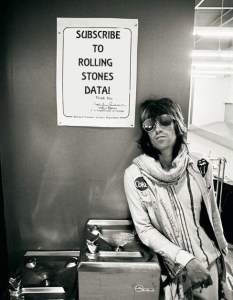 Subscribe to Stones Data here and get all posts delivered to you for free. Everybody got to go!
 Stones Data on Substack