

Mick Jagger’s solo debut, ‘She’s the Boss’, in 1985 sparked tension within The Rolling Stones, raising questions about their future. Despite initial conflict, it ultimately led to artistic growth and reconciliation.
Mick Jagger’s solo debut, ‘She’s the Boss’, in 1985 sparked tension within The Rolling Stones, raising questions about their future. Despite initial conflict, it ultimately led to artistic growth and reconciliation.

The 1970s blues scene saw significant evolution, blending traditional roots with electrified sounds, featuring artists like B.B. King, Eric Clapton, and ZZ Top, transforming the genre into a global phenomenon.

During a 2002 warm-up gig in Toronto, Mick Jagger revealed that even the seasoned Rolling Stones experienced intense nerves, resulting in a chaotic performance despite their extensive rehearsals, illustrating stage fright’s unpredictable nature.

Mick Jagger emphasizes that for The Rolling Stones, rock ’n’ roll intertwines art and business. He advocates for fair pricing and audience value, ensuring longevity through discipline and constant reinvention.

In 2018, Keith Richards described his temporary sobriety as a “novel” experiment, emphasizing curiosity over permanence. He approached it as a playful exploration rather than a definitive lifestyle change.

In 1974 Mick Jagger, still embodying youthful energy, rejected societal expectations of maturity. Acknowledging fame’s absurdities, he embraced rock and roll’s chaos while remaining refreshingly relatable as an iconic figure.

Keith Richards emphasizes that authentic music comes from musicians collaborating in real time, valuing instinct and effort over polished production. It’s a messy process that captures the essence of creativity.

Charlie Watts emphasized the essence of The Rolling Stones’ live performances, highlighting the vital interplay between Mick Jagger and Keith Richards while favoring simplicity over complexity in their sound.

Charlie Watts, the steady drummer of The Rolling Stones, embraced simplicity and cynicism, viewing music as a craft rather than a glamorous identity, finding fulfillment in consistency and authenticity.

Bob Dylan significantly influenced The Beatles and The Rolling Stones in the 1960s, inspiring lyrical depth and social consciousness, transforming their music and public images, and shaping rock’s evolution.

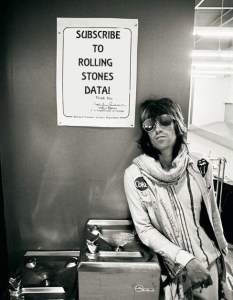 Subscribe to Stones Data here and get all posts delivered to you for free. Everybody got to go!
 Stones Data on Substack