

Keith Richards and Ronnie Wood create an electrifying onstage chemistry, blending laid-back precision with playful antics. Their performances showcase decades of camaraderie through improvisation, rivalry, and shared joy in rock ‘n’ roll.
Keith Richards and Ronnie Wood create an electrifying onstage chemistry, blending laid-back precision with playful antics. Their performances showcase decades of camaraderie through improvisation, rivalry, and shared joy in rock ‘n’ roll.

Charlie Watts of The Rolling Stones emphasized that genuine passion should drive artistic endeavors, valuing authenticity over fame’s allure. His philosophy shaped both his career and the band’s lasting legacy.

In 1993, Keith Richards emphasized the Rolling Stones’ commitment to authenticity over trends, prioritizing meaningful music creation over chart success, ensuring their lasting legacy in rock history.

Keith Richards’ fashion reflects his rock ‘n’ roll ethos, blending rebellion with sophistication through leather jackets and unique accessories, embodying freedom and inspiring individuality across generations.

Rolling Stones quotes: Keith Richards Talks About Style Keith Richards isn’t just a rock legend—he’s a style icon by accident. Forget carefully curated outfits or following trends; for Richards, style isn’t something […]

Keith Richards criticizes modern music’s reliance on digital technology, emphasizing authentic human connection in songwriting. He argues true rock ‘n’ roll comes from musicians playing together, not synthetic sounds.

Charlie Watts highlighted that The Rolling Stones excel as a live band, thriving on energy and audience connection, while studio recordings, though enjoyable, cannot replicate the exhilaration of performing live.

In a 1973 interview Charlie Watts acknowledged Keith Richards as the embodiment of The Rolling Stones’ essence, emphasizing his chaotic charisma as vital to the band’s identity amidst turmoil.

In 2018, Mick Jagger discussed the deep connection with fans, revealing their obsession with reliving the past and youth through music, while balancing nostalgia with the need for personal growth.

Brian Jones was a musical visionary whose intense ambition and devotion to rhythm and blues shaped The Rolling Stones’ early sound, creating a unique blend of purpose and raw energy alongside Jagger and Richards.

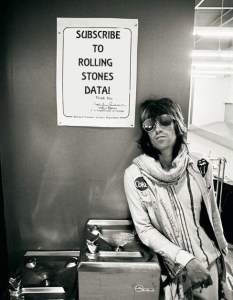 Subscribe to Stones Data here and get all posts delivered to you for free. Everybody got to go!
 Stones Data on Substack