

Mick Jagger emphasized that ‘Love You Live’ was a significant and labor-intensive live album, crafted to deliver an authentic concert experience, standing out as the band’s second true live release.
Mick Jagger emphasized that ‘Love You Live’ was a significant and labor-intensive live album, crafted to deliver an authentic concert experience, standing out as the band’s second true live release.

Keith Richards reflects on the Rolling Stones’ Dirty Work, expressing frustration over its lack of touring support, attributing the album’s struggles to Mick Jagger’s disillusionment and absence of promotion.

Keith Richards reflects on his legendary partying experiences, noting the blurred lines of reality and memory. These wild nights not only defined his rock star status but also shaped the mythos of The Rolling Stones.

In September 1968 Mick Jagger expressed excitement after recording Beggars Banquet, eager to energize live audiences with its ten engaging tracks, blending blues and rock in unforgettable performances.

Keith Richards’ five-string guitars embody his rock essence, blending blues-inspired riffs with a minimalist approach. His unique style and technique have significantly shaped the Rolling Stones’ sound since the 1960s.

By 1964, The Rolling Stones emerged as a rebellious force in music, embodying defiance and frustration against conformity, while their raw sound and provocative image resonated deeply with a generation seeking authenticity.

Keith Richards expresses a deep admiration for reggae, influenced by its rhythms and culture. He contemplates releasing more reggae music, reflecting on collaboration and its impact on his artistry.

In 1977 Mick Jagger said the Stones would tour without Keith Richards if jailed, stressing survival over waiting years, while exposing the tension between loyalty, momentum, and fame publicly then.

In 1994, Keith Richards defended the Rolling Stones against critics, emphasizing their enduring spirit and performance prowess, asserting they remain a formidable force in rock music despite their age.

Keith Richards views songwriting as a shared journey, blurring distinctions between his solo work and Rolling Stones tracks. He believes songs thrive on collaboration and timing, always seeking potential.

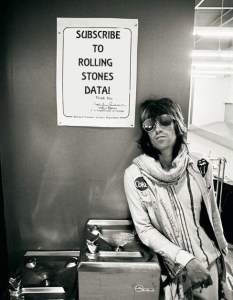 Subscribe to Stones Data here and get all posts delivered to you for free. Everybody got to go!
 Stones Data on Substack