

The Rolling Stones made their TV debut on July 7, 1963, performing ‘Come On’ on Thank Your Lucky Stars, marking a significant step in their rise to fame despite their rebellious image.
The Rolling Stones made their TV debut on July 7, 1963, performing ‘Come On’ on Thank Your Lucky Stars, marking a significant step in their rise to fame despite their rebellious image.

‘Neighbours’ by The Rolling Stones captures urban life frustrations through energetic rock. Written by Mick Jagger, inspired by Keith Richards’ noisy apartment experience, it became a classic showcasing their signature sound and storytelling.

The Rolling Stones electrified São Paulo during their Olé Tour in February 2016, delivering unforgettable performances filled with iconic hits, vibrant energy, and a passionate crowd, solidifying their legendary status.

February 24 has been significant in The Rolling Stones’ history, marking their early gigs, album recordings, explosive live performances, controversies, and collaborations, reflecting their lasting impact on rock music.

Brian Jones was a musical visionary whose intense ambition and devotion to rhythm and blues shaped The Rolling Stones’ early sound, creating a unique blend of purpose and raw energy alongside Jagger and Richards.

Stevie Ray Vaughan, a legendary guitarist, caught Mick Jagger’s attention during a Dallas performance but was ultimately turned down for a record deal. Vaughan later emerged as a monumental figure in blues music history.

The Rolling Stones’ unreleased track ‘Don’t Be Cruel’, recorded during the chaotic 1985 Dirty Work sessions, showcases their raw energy and authentic style through slurred vocals and minimalistic piano.

‘Wanna Hold You’ de los Rolling Stones, inspirada por el amor de Keith Richards por Patti Hansen, muestra un lado personal y emocional. La canción combina humor y ternura, reflejando una conexión profunda y una autenticidad musical.

‘Summer Romance’ by the Rolling Stones explores a fleeting affair amid the challenges of adulthood and youth, showcasing energetic guitar work that balances raw emotion with polished production across its recording history.

Today in Rolling Stones history: February 23 *Click for DAILY ROLLING STONES CHRONOLOGY 1962-present On February 23, 1980, paradise cracked. In St. Martin, what should have been a quiet Caribbean retreat for Ronnie Wood […]

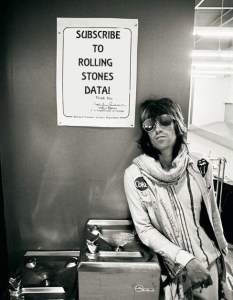 Subscribe to Stones Data here and get all posts delivered to you for free. Everybody got to go!
 Stones Data on Substack